
I grew up hearing my grandmother say that she was afraid of dying. As she would put it, “If death were rest, I would rather live tired.” My grandmother was always a spirited person, with a life marked by resilience and courage. She raised my mother and aunt on her own and later helped raise her grandchildren. She loved people, traveling, laughter, and having the whole family together. She loved being alive. It was no surprise that death frightened her.
Yet death eventually reaches everyone. And for my grandmother, it arrived when she was diagnosed with breast cancer.
Looking back, what stays with me most is not only her illness, but the questions it raised about communication, choice, and how families navigate difficult news. These conversations can be uncomfortable, and there are rarely easy answers. Yet they often shape how people understand their situation and make decisions about what matters most to them.
Believing that the diagnosis would emotionally devastate her—as it indeed does for some patients—my mother and aunt decided not to tell her about it. At first, I thought it might be the best choice. But was that really the case? Especially for someone who loved life so deeply? I questioned it, but it was not my decision to make.
Fortunately, the initial prognosis was encouraging. The cancer had not spread to other organs. Surgery to remove part of the breast, followed by radiation therapy to reduce the chance of the cancer returning, would likely be enough. She underwent surgery, believing that she was simply having a lump removed from her breast, unaware that it was cancerous. Later, because she did not want to keep going to the hospital every week and did not fully understand the reason for it, she chose not to follow the recommended radiation treatment.
Four years later, the “lump” returned. This time, it had spread to her lungs, affecting her ability to breathe. At that point, treatment options were limited, and the focus shifted to comfort and quality of life.
At that point, I asked myself: Isn’t it time for us to tell her the truth? The answer was no. It wasn’t the right moment then—and, in the end, it never was.
…
My grandmother could not control whether she would die. But she may have wanted the opportunity to participate more fully in decisions about how she lived during that time. If she had known about the diagnosis from the beginning, perhaps she would have chosen to undergo radiotherapy. Or perhaps not. She might have made different choices about how to spend her time, what conversations to have, or what priorities to focus on while her health still allowed.
Later, as her health deteriorated and the metastasis was discovered, she may have wanted the chance to express her expectations, her fears, her final wishes, and her last words. She may have wanted to resolve something left unfinished, to forgive or ask for forgiveness, to give thanks and feel gratitude in return, or simply to say goodbye.
This experience changed me. It gave me the courage to speak more openly about death and serious illness. It didn’t just change how I think about the end of life—it changed how I think about life itself, and about the importance of honest, difficult, and compassionate conversations.
These conversations do not remove uncertainty, nor do they guarantee a single “right” decision. Families may still face hard choices, differing perspectives, and unanswered questions. But open dialogue can help people better understand one another, clarify what matters most, and navigate difficult moments with greater confidence, dignity, and connection. Out of love for those we care about, may we find the courage to have these conversations when they are needed.
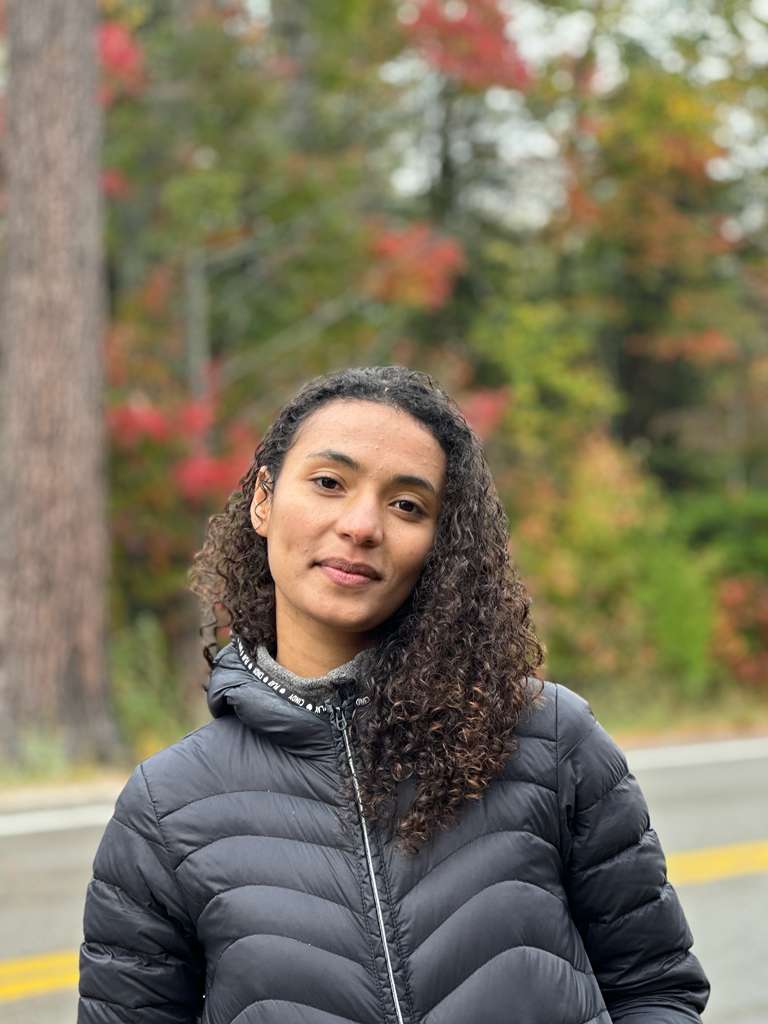
Ianna Sirqueira is a Brazilian physician based in the United States, where she is applying for a psychiatry residency program. Currently, she serves as an independent researcher as part of research groups from Europe, South America, and North America, focused on spirituality, health, and palliative care. Her path into palliative care was inspired by her personal experience accompanying her grandmother through the end-of-life process, which revealed to her the beauty and transformative power of those moments.
This is a deeply moving reflection on one of the most difficult ethical dilemmas families face: whether protecting a loved one from painful truths is truly an act of kindness. Your story beautifully illustrates how withholding information, even with the best intentions, can unintentionally take away a person’s opportunity to make informed choices about their own life, treatment, relationships, and final wishes. There may never be a perfect answer, but your grandmother’s experience reminds us that autonomy and love do not have to be opposites. Thank you for sharing such a personal and thought-provoking perspective.
What stands out most is how deeply loved your grandmother was. Every decision was made from a place of care and a desire to protect her, even in such a difficult situation. Her story is a beautiful testament to the love she inspired in her family.
Emocionante, passamos por momentos parecidos com a minha avó, vimos o câncer levar todo seu brilho, apagar sorrisos. Acompanhamos o progresso da doença e o regresso daquela pessoa forte, perdendo a cada dia suas forças,mas sem reclamar de nada. Ela era sempre muito grata a Deus por tudo. Nem todo sofrimento abalou sua fé, partiu numa paz indescritível.Como o final de um capítulo de um livro sem fim.
What a powerful text. Your grandma would be so proud of you for spreading her story and most of all, learning through the hard times.