
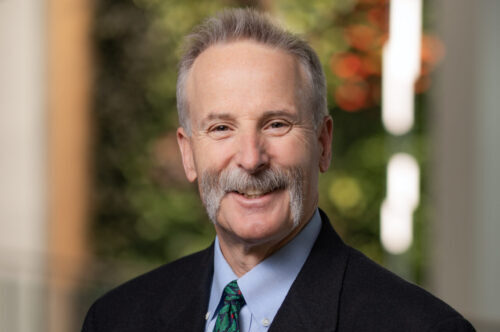
With considerable help from my wife, Patrice, I admitted my mother to a home specializing in memory care nearly nine years ago. We worked to understand, then wind up Mom’s everyday affairs; prepare a plan to meet her care and safety needs; and remain emotionally steady while confronting these daily realities.
I thought I was prepared to tackle these challenges with complete competence and grace. I was full of @#%!.
At the time, our combined, shared nursing home experience was seventy years. Patrice and I had managed individual homes and oversaw others across America’s four corners and every time zone, with patients served totaling in the millions.
I’d started — in 1978 — at the same home where Mom was then Director of Nursing. So, how hard could it be to navigate this for one more person? But it was different for my own mother.
Focusing on What Matters
Over the preceding ten years, Mom and I had had sometimes long, sometimes short conversations about health, current and future living arrangements, money, and transportation. Each time, there was never confusion about what Mom wanted.
She wanted to be at home, and neither needed, nor wanted any help…thank you very much.
These conversations weren’t exceptional. Many adult children experience the same dialogue with parents and loved ones and are challenged with respecting someone’s wishes for independence.
Occasionally, drama was short and intense. After going the full fifteen rounds over countless years, I accepted and fully respected Mom’s wishes for self-determination and am very much at peace. Still, this peace didn’t insulate me from pain.
When Mom was hospitalized, my grieving and sense of loss began, recognizing that the future would never match the past and memories would likely fade.
This sorrow eventually abated. When she moved to the memory care center, we visited frequently. Recounting past events and personalities was a source of amusement, and Mom was safe, happy, and well cared for.
I took great comfort knowing I had no “unchecked baggage” with Mom. As we both aged, candor without pretense prevailed. Making the most of time together — and conversations while apart — mattered most.
Based on my experience, I would say to others looking for guidance through a time like this:
- Be present, for yourself and the person you love.
- Keep talking, even when it is hard.
- Moments are memories, especially the last ones.
Navigating Change and Loss
In 2024, Mom fell due to a seizure or other neurological event, injuring her head and face. Emergency medical services (EMS) transported her to the local hospital’s emergency department. When my phone rang with the news, I was sickened with the prospects, knowing it was the third hospital visit she’d had in just over two months.
Patrice and I began planning a trip to Mom, for an unknown duration. We received multiple calls from neurosurgeons to update us while Mom was monitored. Scans showed accelerated bleeding. Mom was uncommunicative. Given her memory loss and advanced directives expressing her wishes, surgery was discussed and ruled out.
As Patrice and I discussed leaving immediately or the next morning, another phone ring interrupted us.
Speaking was a palliative care physician, referred by the neurosurgeon. Sharing regrets about Mom’s condition, and in a respectful, gentle tone, she explained that the hospital was initiating comfort care. Mom would live for two to three days, maximum.
Having discussed this likelihood with Patrice the night before, I asked, “Doctor, is my mother going to die in a hospital, or a nursing home?”
She told me that didn’t have to be the case, saying, “We think she will qualify for inpatient hospice treatment. There is a free-standing location nearby that we will reach out to.”
Tears welled, and I felt tightness in my throat not experienced in fifty years. This physician-turned-angel walked me through the referral and intake process for inpatient hospice.
Deciding to drive was easy. Airports, airlines, airplanes, pilots, and flight attendants can be iffy when you desperately need to be somewhere. Risking this eleven and-a-half hour, eight-hundred-mile trip was a no-go. Driving was the only option for us.
We found Mom pain-free and well cared for. A long couch beside her bed provided room for people to sit comfortably. Outlets were everywhere for devices. A digital wall clock beneath a mounted television provided the day, date, and time in large script.
As Mom’s condition worsened, skilled-handed, big-hearted people adjusted her positioning and medication. She had a blackened right eye, resulting from her fall. Her skin was smooth and her gray hair was long and beautiful, like that of a teenager.
“Laughing, Crying, Living, and Dying”
As hours of soothing tones emanated from the television, interrupted by tears, worn-out Kleenexes, and one-way conversations that Patrice and I each had with Mom, I reached for the clicker. While Mom remained stationery, movies from American Movie Classics (AMC) rotated as the hours passed.
The next day began early. We sorted through mail and messages, answered calls and texts from kids, friends, and family members, and told stories to caregivers and visitors.
Morning became afternoon, then evening. The last thing I wanted to see was food. Eating was a single piece of toast, book-ended by enough coffee to supply a Dunkin’ Donuts.
Without nutrition or hydration, Mom’s output waned. Nothing accumulated in her catheter bag. Her breathing labored. Many years in the nursing home business had taught us the signs. Time was shortening.
AMC resumed, and for the next several hours, we watched two classics: My Cousin Vinny, starring Joe Pesci and Marisa Tomei, and my pick for greatest motion picture of the 20th century, Goodfellas, headed by Robert DeNiro, Paul Sorvino, Ray Liotta, and a superstar cast.
If we’d been visiting, and no baseball game was being televised, we’d have been watching these in Mom’s living room. These flicks had the motherlode: laughing, crying, living, and dying.
This was perfect.
On Her Own Terms
During the films, and the many conversations had during these final days, one theme kept surfacing — Mom’s grip, command, or self-determination. With gallows humor (remember, we are nursing home people), Patrice told me several times, “You know that your mom isn’t going to die with you in this room. This is not going to happen.”
Later that evening, we returned to the hotel. Lights went out after midnight. At 4:50 AM, my phone rang. The person at the other end said, “David, your mom passed at 4:20 this morning. I’m very sorry.”
We showered and made the 20-minute drive to the hospice, arriving in darkness, before 6:00 AM. The nurse caring for Mom that morning, with her until the end, buzzed us in.
Handling us like we were made of glass; she led us to Mom’s room. Under fresh linens, Mom looked very much at peace. Nothing was jarring about this sight, as I’d seen her asleep many times. Though this differed — completely — I had a sense of relief that she was no longer laboring.
The nurse explained the next steps, including notification of the coroner and funeral director, provided papers for me to sign, and exited. While grateful for every ounce of energy she put into Mom’s final hours, I couldn’t wait for her to leave.
Patrice and I stayed with Mom for about an hour, talking about her fighting Irish nature, which we admired and loved about her. Her blackened eye was now purple, the color associated with royalty. This image endures, reminiscent of the Dylan Thomas poem, “Do not go gentle into that good night.”
I was reminded of Patrice’s earlier prediction. Mom went out on her own terms.
Moments before leaving, I leaned over Mom, realizing that her soul had been separated from her body for a few hours, and had one last conversation. Though tears and sobs interrupted sentences, they made it from heart, through head:
“I will miss you.”
“I will always say good things about you.”
“I will still try to be a good son.”
“You did a great job.”
“Thank you for everything.”
“I will always love you.”
Dave Devereaux, a nationally recognized expert and thought leader in long-term care, is the author of Beyond Bedrails and Bingo: Myths, Truths, and the Future of America’s Nursing Homes. Over a 45-year career he has championed excellence, empathy, and innovation in care delivery. A graduate of Cornell and Temple Universities, Dave’s philanthropic work has advanced research and education in nursing, public health, and music therapy.