
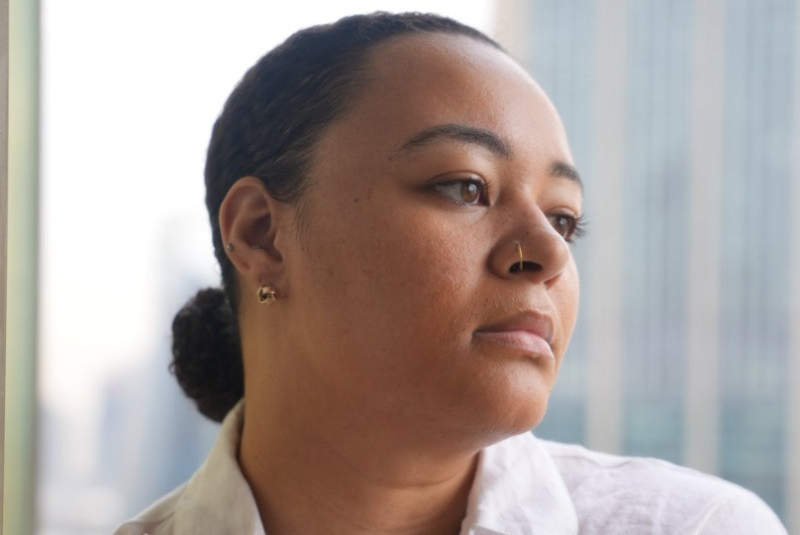
When you’re in your 20s, it’s easy to believe you have time. Time to build savings, to start a family, to plan for the future. Conversations about wills, trusts, and health care proxies sound like something your parents or grandparents handle. You think the hard things are supposed to happen later in life. But after losing my dad at 25, I realized how fragile that sense of “later” really is.
This December marks the two-year anniversary of his passing, a time that still feels heavy and surreal. I relive the entire experience all over again, from the 11 a.m. call from my sister telling me he was gone, to sitting with the funeral director choosing caskets. I was 25 at the time and suddenly thrust into decisions that most people my age hadn’t even thought about.
Now at 28, I see end-of-life planning differently. I never viewed it as morbid, though I admit it did scare me. It is an act of love and responsibility. It is a way of showing that I care enough about the people I love to make things easier for them if something ever happens to me. Death doesn’t scare me as much as it used to, but I do think more about what I would want, whether I would prefer cremation or a casket. Both options sound awful, but I would rather have my plans laid out than leave those choices to someone else or, worse, to the state.
After my dad passed away, I worked with my employer to sign up for life insurance and choose beneficiaries. That process forced me to think about questions I had never considered before. If I became seriously ill, who would make medical decisions for me? Who would handle my affairs? Who would make sure my wishes were honored? Having someone officially designated to act on my behalf suddenly felt essential.
For me, I would leave medical decisions primarily to my mom. She knows me well and understands my values, so I trust her to honor my wishes. If she weren’t available, I would turn to a few close friends who I trust deeply to make decisions in my best interest.
I have had direct conversations with the people in my life to ensure that everyone understands my wishes. Some of the values that are most important to me are honesty, loyalty, dignity, and perseverance. Those values translate into wanting my voice to be respected, being given the chance to fight for my life through continued treatment, and being cared for with compassion and integrity.
Just as we place so much emphasis on young people investing early, starting a 401k, and planning financially for the future, the same effort should be given to having conversations about care through the end of lie. Proactively thinking about health care proxies, wills, and trusts is an investment in emotional preparedness and in protecting the people who will care for you if you cannot speak for yourself.
For young adults, these steps can feel distant, but they are really about peace of mind. It is a way to remove uncertainty, prevent conflict, and ensure that your voice is heard even in moments when you cannot speak for yourself.
Think about it: when you get your driver’s license at 16, you can decide whether or not to be an organ donor. That is, in its own way, an early conversation about what happens if you pass away. It’s subtle, but it’s a choice that protects others and honors your wishes. Planning for care through the end of life is really the same idea, just more detailed and intentional.
I have learned that these conversations are not really about death. They are about care, communication, and control. They are about giving your loved ones the gift of knowing exactly what you wanted, so that when later comes, they do not have to wonder, stress, or fight with other family members. It is important to normalize these discussions and remove the taboo.
Even small steps, like discussing who could make medical decisions for you, writing down preferences for end-of-life care, or choosing beneficiaries for insurance policies, can make a world of difference.
For other young adults, I would say this: don’t wait. Start these conversations now, even if it feels uncomfortable or premature. Decide who you trust, outline your wishes, and document them clearly.
Planning ahead is not about fear, it’s about love, responsibility, and the quiet reassurance that you have done everything you can to care for the people you love, no matter what the future brings.
Zoë Watkins is a freelance journalist and photographer who covers immigration, identity, politics, and race. Her work has been featured in Teen Vogue, Prism Reports, and Politico.