
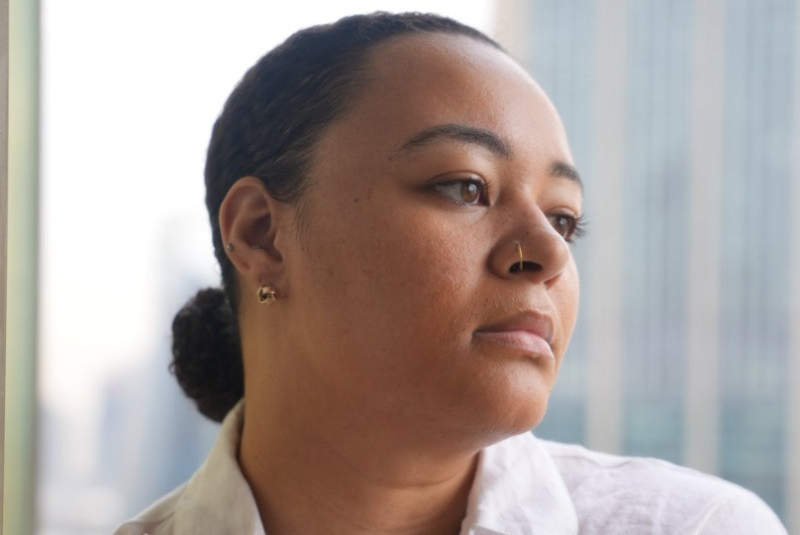
Tragedy strikes at the strangest time. On a Sunday, I was returning from a two-week work trip across Mexico and Cuba and by Thursday, I learned my Aunt Brenda had passed away back in North Carolina. The next thing I knew, I was quickly stuffing clothes and cash into a bag because I knew my dad wouldn’t be able to organize or pay for my aunt’s affairs alone.
Little did I know that eleven months later, I’d be arranging his funeral.
I’ve always worried about my parents. My dad and mom are very different people. My dad was patient, quiet, and reserved. My mom is more outspoken and carefree. Although they divorced a long time ago, they still showed up for each other. Honesty, loyalty, and strong morals are values they share, and they instilled those in me.
Ironically, in the months leading up to my aunt’s passing, she and I often talked about my dad’s declining health. Aunt Brenda had told me she had a life insurance policy hidden somewhere but when the time came to find it, we never did.
In October 2023, a few months before my dad passed, I encouraged him to update the will he already had. He said he’d work on it and show me where everything was. Despite several conversations, he never did.
People think they have forever when they really don’t.
My sister and I leaned on each other while trying to balance our grief with the responsibility of handling our dad’s affairs. When we worked on cleaning out his house, she recalled a past conversation with our dad about his medical care. Although his side of the family avoids discussing death, she wanted to understand his wishes in case something happened unexpectedly. During one of these conversations, he said he didn’t want to have any surgeries because he wasn’t comfortable being operated on. My sister, a nurse aide and his health care proxy, asked him: if he needed a procedure and it would mean he would be around a little longer, then wouldn’t he want to try it?
Watching my family navigate these conversations made me realize just how important it is to have someone you trust designated for this role.
He told her to make whatever decision she needed to make to keep him here a little longer.
That simple statement carried so much weight. It was both a relief and a responsibility, knowing someone you trust can act in your best interest when that moment comes.
It also made me aware of how unprepared many families are and how stressful it can be when those conversations have not happened in advance. When things are not clearly planned or documented, it can lead to clashes between family members. Even now, my sister and I have a family member who is pressuring us to pay for Aunt Brenda’s estate fees, which are not our responsibility. Situations like this show how having clear plans and written instructions can prevent unnecessary conflict and ensure everyone understands their roles and obligations.
This lesson became even clearer when I wrote a story for Teen Vogue about estate planning in communities of color. I learned that while a will is excellent, a trust can be even more effective because it bypasses the lengthy and expensive probate process.
Upon learning this, my mother researched lawyers who worked on trusts and estate plans. She already had a will, but she didn’t have a trust or a health care proxy in place. We were able to sit with her lawyers and finalize everything.
I realized how much these conversations reveal about a person’s values. My mom shared what mattered most to her, who she wanted making decisions on her behalf, and how she wanted to approach care through the end of life. Most of the decision making was left up to me. For her, trust and clarity were key. She wanted to ensure that the people she loved would not have to guess or fight over her wishes. She wanted to make it as straightforward as possible because she had to navigate a stressful and lonely process when her dad was sick and passed away.
Sitting there with her, I realized how powerful it can be to have these conversations before a crisis hits. It’s not just about paperwork, it’s about love, trust, and relieving the burden, and I’m grateful.
I also realized that these conversations aren’t just for older adults. Even in our 20s, having clarity with family members about who can make medical decisions if the worst happens can prevent unnecessary confusion and heartache.
Helping my mom finalize her trust and health care proxy felt like reclaiming a measure of control after years of witnessing loss. It was a reminder that while we can’t prevent death, we can ensure that our loved ones’ wishes are honored and that those left behind have guidance, support, and a clear path forward.
Zoë Watkins is a freelance journalist and photographer who covers immigration, identity, politics, and race. Her work has been featured in Teen Vogue, Prism Reports, and Politico.
After my younger sister’s husband died suddenly last year at age 62 without a will or even a list somewhere of all his digital passwords, my two younger sisters finally woke up to my requests over the years that they fill out their advance-planning docs to make it easier on whoever is left behind. They still haven’t completed all the forms, but have agreed to bring the forms with them on a short family trip I’ve organized at the end of this month to see if we can get the papers ready for notarization.
The biggest problem the three of us are facing is that we are all close in age in our 60s and two of us don’t have kids (one had a daughter late in life who is only 19 and is in no position yet to step up). We are missing that next generation who we can designate as helpful participants in conversations, decisions, and execution of estates that will be happening as we age and then pass away.
I’m going to be talking to an estate lawyer about how best my older husband and I can deal with this lack of proxies and executors.