
It can be difficult to deal with issues of mortality. Most people prefer to avoid the topic until forced to deal with it. However, I have found that, as difficult as dealing with our mortality can be, when we do, life seems lighter. We confront it and move on, able to fully embrace being alive.
I dealt with my own mortality when I was in my twenties. I was working in the intensive care unit. One night a patient was admitted from the ER (emergency room). It was a young woman who had suffered a brain aneurysm at home. It had, tragically, left her brain dead and the decision was made to take her off of life support.
Her young husband let out an agonizing cry. I felt it resonate through my chest wall. I will always remember that night. As I drove myself home from that shift, I had to pull my car over the side of the road to sob. I had over-identified with this patient. She was my age and had young children, like me.
I pulled myself together and continued my ride home. But I was changed after that. I had developed a richer appreciation for life.
When my toddler had a tantrum, I was thrilled that he had a mother to calm him down. When my preschooler had a meltdown, I was so grateful that I could be there for her. I appreciated that my husband did not have to deal with being a young widower. I had a love of life! And it has stayed with me for decades now.
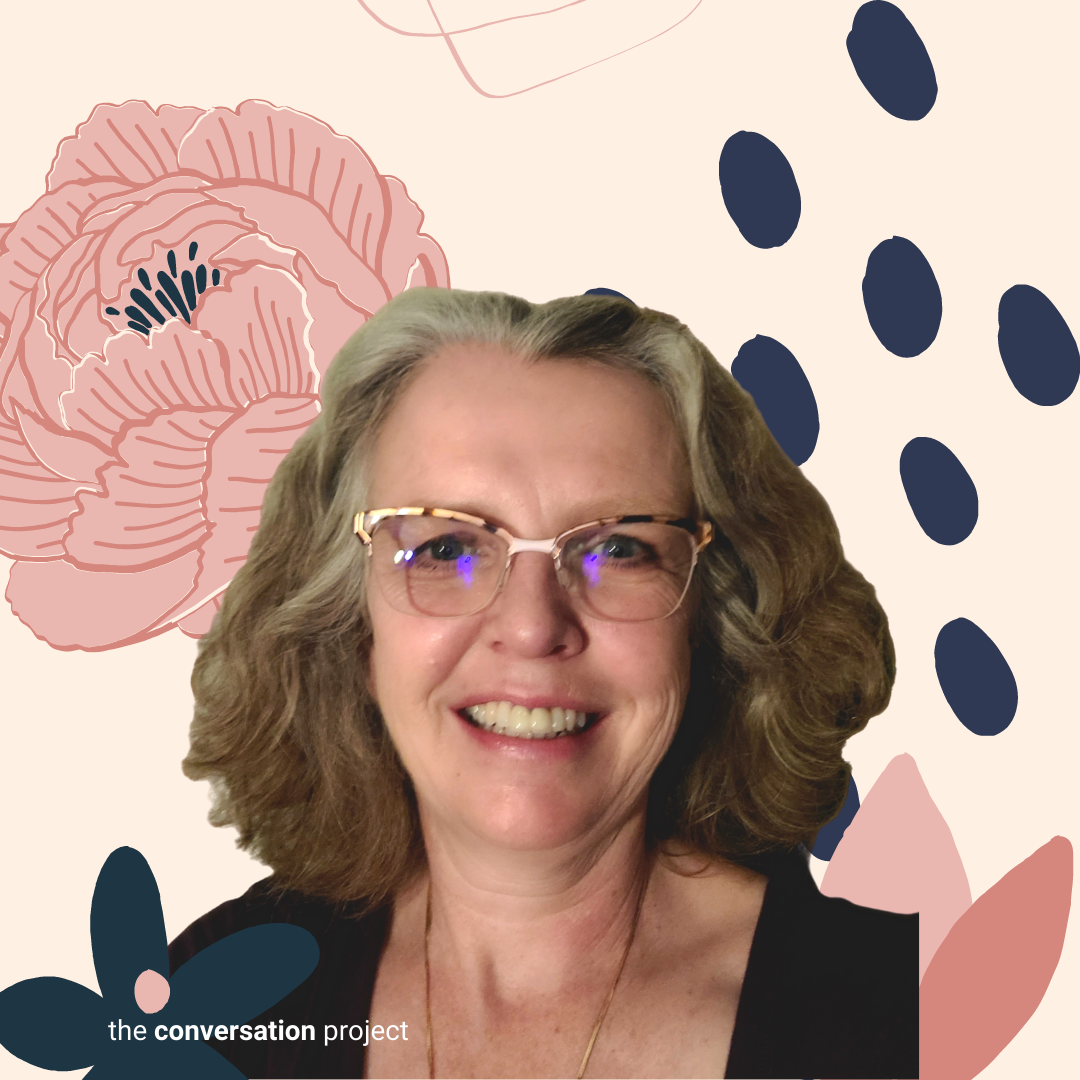
I have been a nurse for 40 years and a hospice nurse for the past 10. I have had countless conversations with people about their own mortality, or the mortality of someone they love. I know many want to avoid this topic, but I will tell you this, it does not have to be a difficult conversation. It can be uncomfortable to get started, but many times once the pump is primed the words begin to flow quite easily.
I have learned a few tricks over the years in getting these conversations started. One is that if you are comfortable and relaxed with the topic, the person you are talking with will be more relaxed. I have taught myself to be more relaxed by focusing on the person I am speaking with, rather than myself. Even when I am quite busy, I slow down and focus on them. A deep, cleansing breath helps with this.
Next, I find out how much they already know about a topic. I ask, what have they already been told about their disease? End-of-life issues? Advance directives? If someone asks me a question, and I know speaking the answer will make me uncomfortable, I make a deal with myself. I am “allowed” to take three deep breaths. When I exhale the third breath I must say the answer. This allows me to be more relaxed and it also slows the conversation down a bit.
If I ask a difficult question, I remind myself to be patient while waiting for the answer. I silently say the Lord’s Prayer. I don’t say it to be religious, I say it to stop myself from rushing in to fill the silence that makes me uncomfortable. And it allows the person time to process the question and develop an answer.
You might be surprised how easy the conversations become. And often rewarding. Sometimes, even light-hearted.
One man who was on hospice had his standard answer of avoidance. Whenever the social worker or I asked him to make plans for what he would do when he could no longer safely live at home alone, he would reply, “We’ll cross that bridge when we come to it.”
One day I asked; “Can we just go take a peek at the bridge? Because I am afraid we are going to get to the water’s edge and [find] there is no bridge.” He burst out laughing and agreed that we could talk about a plan for him. It was important that his voice was heard as these decisions were being made.
Dealing with issues of mortality can be difficult. Conversations related to this topic do become easier with practice. Often, people are waiting for someone who is comfortable enough to broach the subject. They want to be heard, they want to ask questions and they want answers, even if the answers are not easy to hear. It is conversations like these that help people to build bridges.
Want to keep connected to The Conversation Project? Sign-up for our newsletter(s), follow us on social media (Twitter, Facebook), download our conversation starter resources and feel free to reach us at ConversationProject@ihi.org.
This is wonderful, practical advice for family caregivers and professionals, alike. Thank you for sharing!
Great examples to illustrate an important topic. Thank you.
Thanks for sharing. Great simple strategies for family and caregivers.